Italy's ZTL zones, checked city by city
Hours, cameras, hotels, rental cars, disabled badges: what each city's ordinances actually say, and whether the zone is active right now.
The most searched-for cities
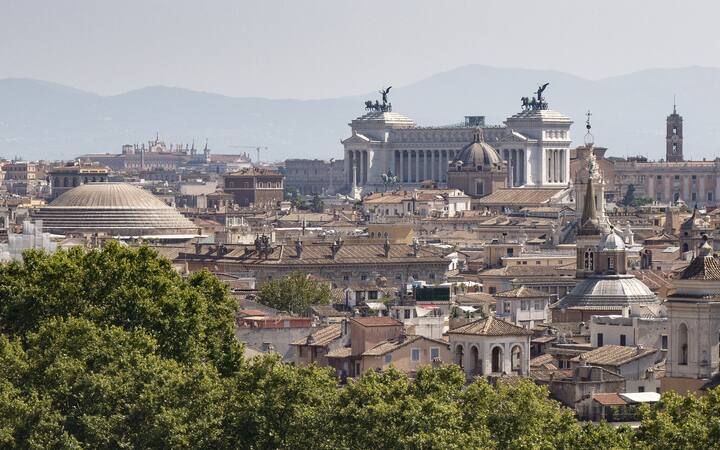
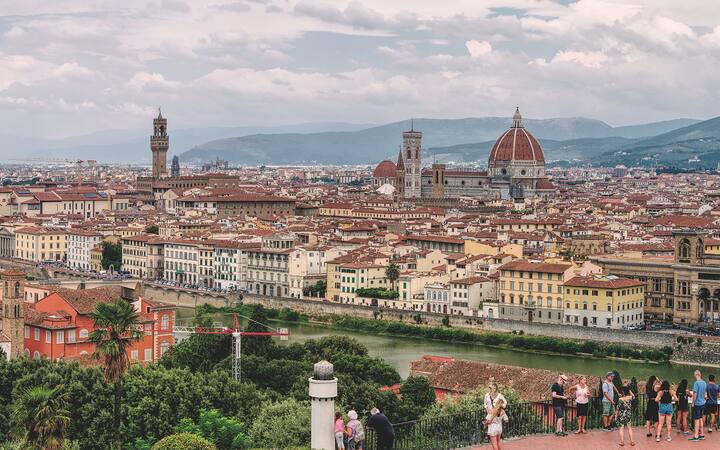
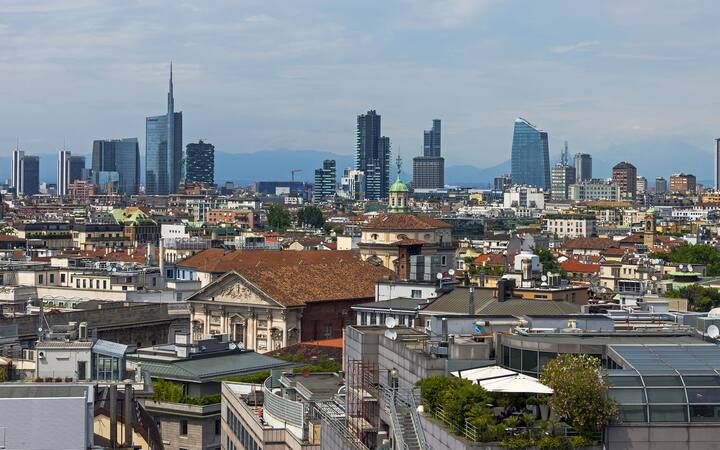
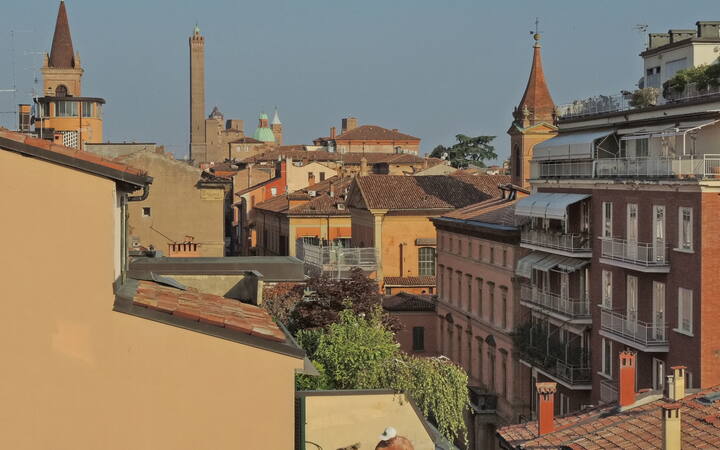
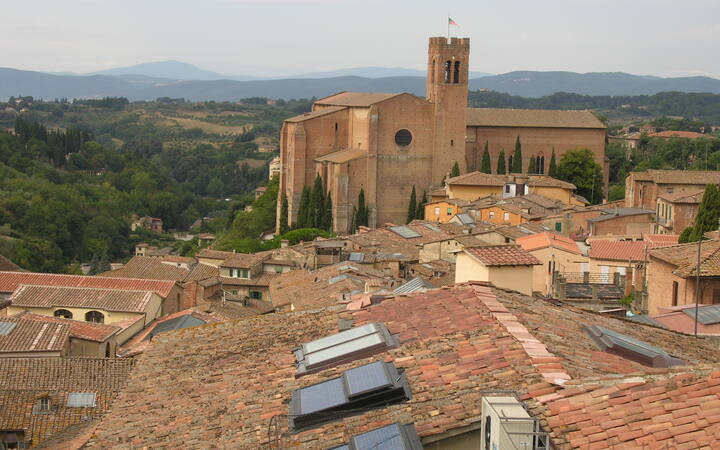
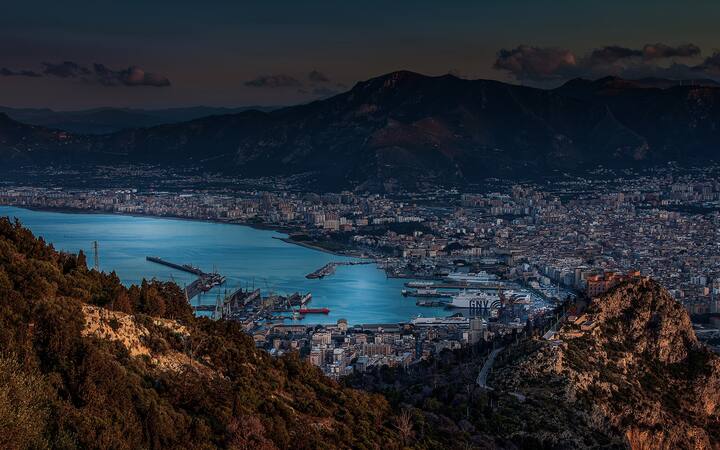
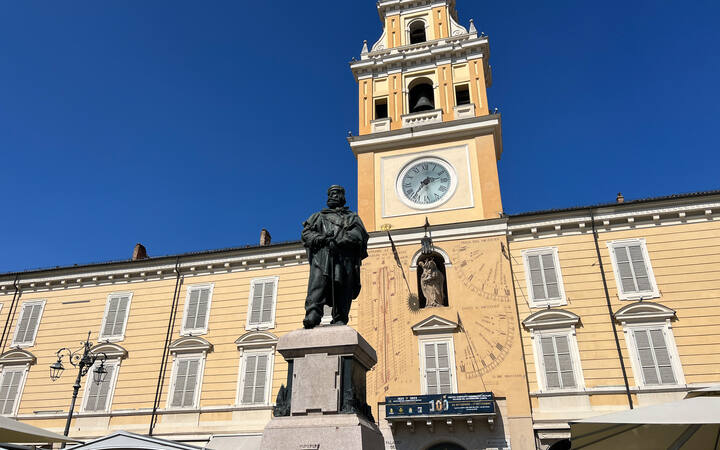
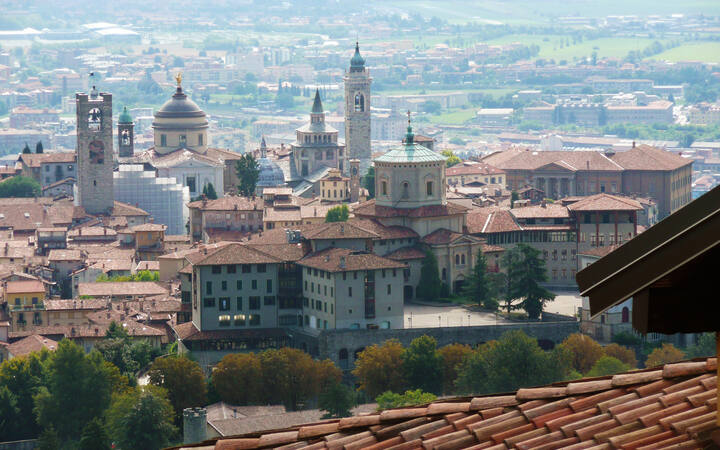


What is a ZTL?
A limited traffic zone (zona a traffico limitato, ZTL) is an area, nearly always the historic centre, where only authorised vehicles may drive, either at certain times or around the clock. Almost every Italian city has at least one, and many have several: a daytime zone, a summer night zone, a zone around the stadium on match days. There are no barriers. Entrances are watched by number-plate cameras, the varchi, and drivers only find out they got it wrong when the fine arrives, sometimes months later and often through their car rental company.
The entry sign is a white circle with a red border, marked “zona a traffico limitato” with the hours. Below it, an illuminated panel usually reads “varco attivo” (camera active: do not enter) or “varco non attivo” (free access). That panel is what counts, not your satnav, which ignores most ZTLs and happily sends you on the shortest route straight through the centre.
Why another site about ZTLs?
Because official information is scattered and often contradictory. Each city sets its own rules by ordinance, changes them several times a year and publishes them in several places: the city website, the local police site, the parking company, PDFs and press releases. While checking the first three cities on this site, we found official pages giving night-time hours that were four years out of date, different camera counts depending on the page, and hotel registration deadlines that had since changed. General travel sites often copy an outdated version.
Every city page here therefore works from the ordinances themselves (orders, council decisions, fee schedules), compares them with the city's published pages, and flags any contradiction along with the version we follow. Each page shows the date it was checked, and a page that has not been checked for over a year is taken down until it has been reviewed again.
What you will find on each city page
- The status of each zone right now, worked out using Italian time and national public holidays, which often change the hours.
- The official hours of each zone, including seasonal and event zones.
- The number of cameras and, where the city publishes it, their location.
- Who can drive in: motorbikes, electric and hybrid cars, taxis, disabled badge holders (national CUDE platform or local procedure).
- Everything that matters to visitors: the exact procedure if your hotel is inside the zone, car parks that register your plate, paid tickets where they exist, and what happens with rental cars.
- The sources, with the date of each ordinance.
Three habits that save you a fine
Watch the sign, not the satnav. Being led into a ZTL by your satnav is no excuse. Before setting off, find the car park you will use and enter it as your destination instead of the address of your hotel or the sight you are visiting.
Give your plate number to the hotel as soon as you arrive. In most cities a hotel inside the zone can register your car, but only within a short deadline, often a few hours after you drive in. A hotel outside the zone cannot do anything for you.
Never assume a free slot without checking it. Hours change on Sundays, in summer, in the evening and on public holidays. That is exactly what the “right now” box on each city page works out for you.
Who runs this site
ZTL Info is published by ACEITUNA, a small independent company that builds practical information sites from official sources. We do not sell permits, handle fine appeals or have any link with Italian cities. Spotted a mistake or a rule that has changed? Write to us from the contact page: every report is checked against the city's ordinance before we correct anything.